

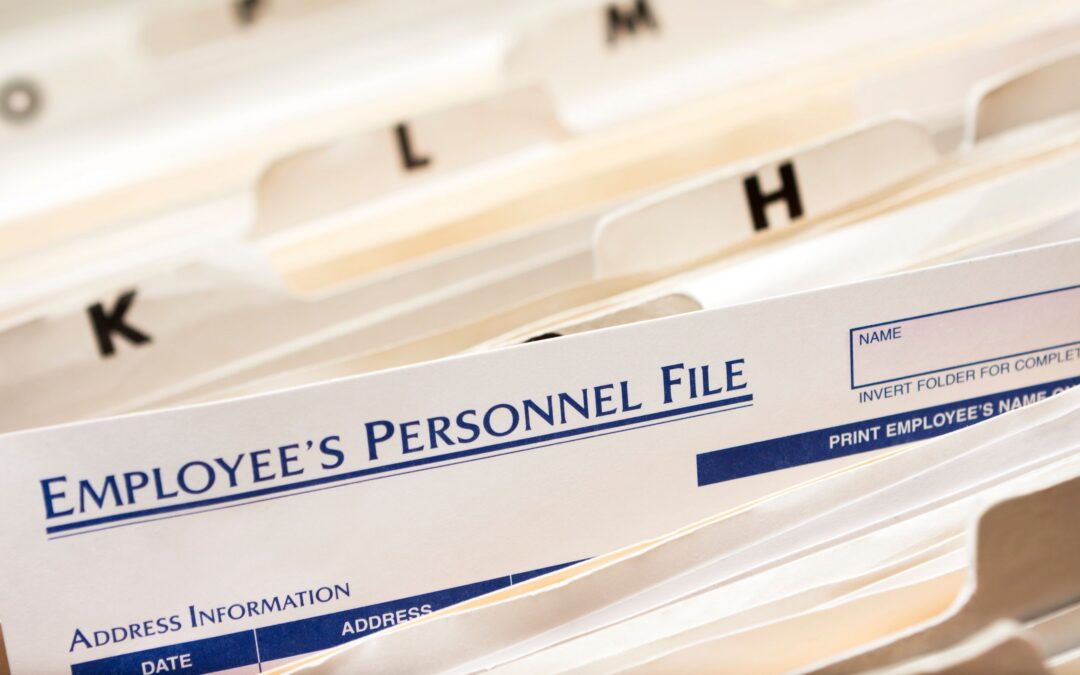
On September 9, 2026, New York Governor Kathy Hochul signed Senate Bill S3460 (Assembly companion A2107) into law. Taking effect on November 8, 2026 (60 days post-enactment), the new legislation grants current and former employees broad statutory rights to inspect, copy, and dispute the contents of their personnel records.
For New York employers, HR professionals, and business owners, this legislative update introduces significant compliance hurdles, including short fulfillment windows, mandatory proactive notification obligations, strict retention rules, and substantial financial penalties.
Governor Hochul signed the bill on the basis of an agreement with the Legislature to pass chapter amendments, expected in early 2027. As reported from the Governor’s approval memo, those amendments are intended to clarify that employers are not required to create a personnel file or produce new documents, and that a personnel file includes only records used to determine an employee’s qualifications for hiring, retention, promotion, transfer, additional compensation, or disciplinary action. Until the amendments pass, the law takes effect as written, and employers should plan to comply with the statute as signed.
What Is New York’s New Personnel Record Access Law?
Section 210-b amends the New York Labor Law by establishing affirmative employee rights to access personnel records across both private and public sector workplaces, with no minimum employee-count threshold.
Under the enacted statute:
- “Employee” includes any individual currently or formerly employed by an employer.
- “Employer” encompasses individuals, corporations, partnerships, labor organizations, unincorporated associations, other legal businesses, commercial entities, employer agents, and governmental entities and public employers (as defined in Civil Service Law § 201(6)(a)).
Key Provisions of NY Labor Law Section 210-b
The new statute establishes comprehensive requirements governing record definitions, fulfillment deadlines, proactive notice, and record management.
1. Broad Definition of “Personnel Record”
Under the law, a personnel record is any record kept by an employer that identifies an employee, to the extent the record is used, previously used, or that may affect an employee’s:
- Qualifications for employment, promotion, transfer, or additional compensation.
- Exposure to potential disciplinary action.
This definition applies whether records are held in-house or managed by a third-party vendor under contract. The statute also lists written documents that must be included in the personnel record, to the extent prepared by the employer:
- Employee names, addresses, dates of birth, job titles, and job descriptions.
- Rates of pay and all compensation details.
- Job applications, resumes, and initial employment inquiries.
- Performance evaluations, written warnings of substandard performance, and probationary period lists.
- Signed waivers, dated termination notices, and any other documents relating to disciplinary action.
Note: Records must be kept in typewritten, printed, or indelible ink format. Personal information concerning other individuals is excluded if disclosure would constitute a clearly unwarranted invasion of privacy.
The statute does not expressly address records kept only in electronic form (for example, in an HRIS platform), and the “may affect” language could reach informal notes and emails that managers would not think of as part of a personnel file. The pending chapter amendment is expected to narrow the definition.
2. Mandatory 10-Day Notice for Negative Information
One of the most operational mandates requires proactive employee notification:
- 10-Day Notice Rule: Employers must notify an employee within 10 days of placing any information in their file that has been, is, or may be used to negatively impact their qualifications or disciplinary status.
- Exemption from Annual Review Caps: Reviews triggered by the addition of negative information do not count toward an employee’s annual inspection limit.
- Open Questions: The statute says “ten days” without specifying calendar or business days. Because the same subdivision uses “five business days” for copy requests, the safer reading is calendar days. The law also does not define what information “negatively affects” an employee or prescribe the form of notice, so written, dated notice is the prudent practice.
3. Tight Timelines and Access Limits
- 5 Business Days to Comply: After an employee submits a written request, an employer must provide a complete copy of the personnel record at no cost within five (5) business days of submission. The clock runs from the employee’s submission, so a request that sits unread in a manager’s inbox still counts.
- Annual Review Limits: Employers are not required to permit an employee to review their file on more than two (2) separate occasions per calendar year (excluding mandatory negative-information disclosures).
- Review vs. Copy: The two-per-year cap is written in terms of reviews, while the copy obligation contains no express limit. It is unclear whether an employer may decline a third copy request in a calendar year, so employers should not assume the cap applies to copies.
4. Dispute Resolution and Rebuttal Statements
When an employee disagrees with information in their record:
- Mutual Agreement: Parties may mutually agree to correct or remove the disputed information. The statute also permits removal of any information by mutual agreement, for any reason.
- Written Rebuttal: If no agreement is reached, the employee may submit a written statement of position. This statement must become part of the personnel record and must be included whenever the disputed information is transmitted to a third party, as long as the original information remains in the file.
- Expungement of False Information: If an employer knew or should have known that information placed in a record was false, the employee has recourse through the collective bargaining agreement, other personnel procedures, or judicial process to have the information expunged.
5. Mandatory 3-Year Post-Termination Retention
Employers must maintain complete personnel records without deletions or expungement from the employee’s start date until three (3) years after termination of employment. In addition, an employer that elects to have a written personnel policy must continuously maintain it, as amended from time to time, at the office where personnel matters are administered.
Note that the no-deletion rule sits alongside provisions allowing information to be removed by mutual agreement or expunged when false. Employers should document any agreed removal or expungement and the basis for it.
6. Collective Bargaining Agreements
Section 210-b does not supersede a collective bargaining agreement, but only if the agreement provides employees at least substantially similar access to their personnel records. Unionized employers should compare existing CBA records provisions against the statute; an agreement with narrower access rights will not displace the new law.
Penalties and Non-Retaliation Protections
The enacted law is enforced by the New York State Attorney General:
- Fines: Any violation by an employer or any other person is punishable by fines between $500 and $2,500 per violation. The statute does not create an express private right of action, although employees may pursue judicial process to expunge information the employer knew or should have known was false.
- Strict Non-Retaliation Protections: Employers and any other person are prohibited from discharging, threatening, penalizing, or otherwise discriminating or retaliating against employees for exercising rights under Section 210-b.
- Immigration Status Enforcement: Retaliation explicitly includes contacting or threatening to contact U.S. immigration authorities, or reporting/threatening to report the suspected immigration status of an employee or their family or household members (as defined in Social Services Law § 459-a(2)) to a federal, state, or local agency.
Actionable Compliance Steps Before November 8, 2026
To ensure full operational compliance before the law takes effect:
- Audit Personnel Files: Review existing records to ensure complete, accurate, and proper documentation. Decide what belongs in the official file going forward, but do not purge existing documents without counsel review; the three-year retention rule and any litigation-hold obligations may require keeping them.
- Implement a 10-Day Negative Notice Workflow: Establish an automatic tracking system to notify employees within 10 days whenever negative performance notes or disciplinary write-ups are added to their records.
- Establish a 5-Day Request System: Train HR teams and managers to log written requests immediately and deliver complete, free record copies within five business days.
- Review Vendor Contracts: Verify that third-party HR, payroll, and record storage providers are prepared to comply with statutory access and copy requests. The definition reaches records held by contractors, and the penalty provision applies to “any other person.”
- Maintain Written Personnel Policies: If you have a written personnel policy, keep the current version continuously maintained at the office where personnel matters are administered.
- Build a Rebuttal Procedure: Create a process for accepting employee written statements, filing them with the disputed record, and including them whenever that information is sent to a third party.
- Update Retention Schedules: Keep complete personnel records, without deletions, for at least three years after separation.
- Review Collective Bargaining Agreements: Confirm that any CBA records provisions provide at least substantially similar access.
- Train Managers on Anti-Retaliation: Cover the express prohibition on immigration-related threats and reports.
- Monitor the Chapter Amendment: Track the expected 2027 amendment, which may narrow the definition of personnel record and confirm that employers need not create new files.
New York’s new personnel record access law is another reminder of how quickly employment requirements can change and how important it is for employers to keep their policies and procedures up to date. With the November 8, 2026 effective date approaching, now is the time to review personnel file practices, employee documentation, retention policies, and internal response procedures.
Lengea Law helps businesses stay ahead of changing employment laws and build practical compliance processes that work for their teams. Whether you need help reviewing your current policies, updating your employee handbook, creating compliant procedures, or understanding how the new requirements apply to your business, our attorneys are here to help. Contact Lengea Law to make sure your business is prepared before the new requirements take effect.