

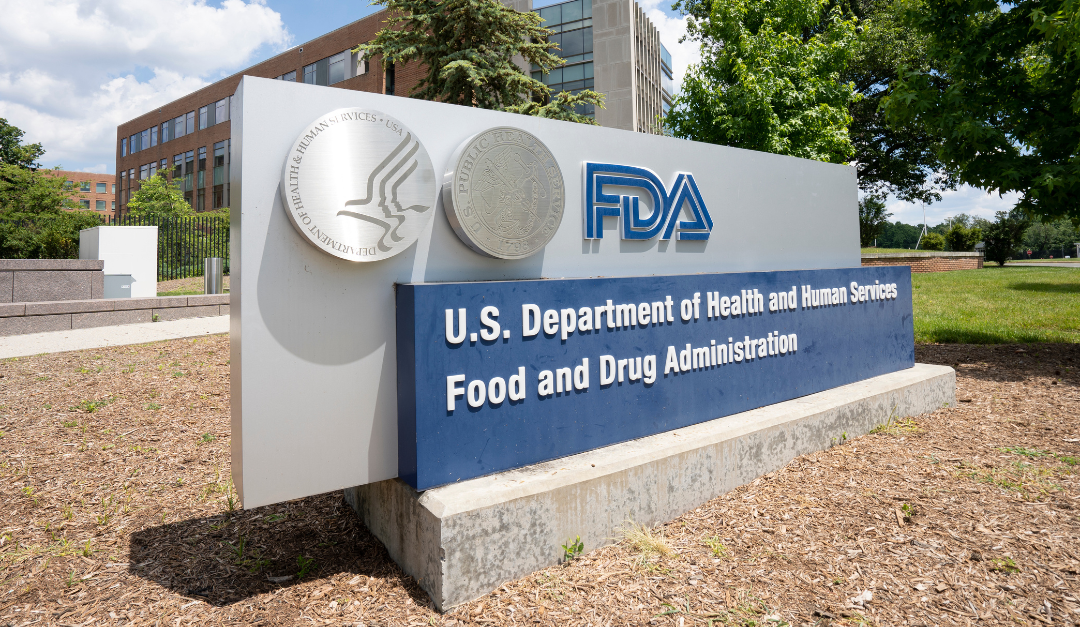
The U.S. Food and Drug Administration (FDA) has officially proposed to exclude three prominent GLP-1 receptor agonists—semaglutide, tirzepatide, and liraglutide—from the 503B Bulks List. This proposal follows an evaluation where the agency determined there is no clinical need for outsourcing facilities to compound these medications using bulk drug substances when FDA-approved versions are available.
Understanding the 503B Bulks List
Under Section 503B of the Federal Food, Drug, and Cosmetic Act, outsourcing facilities are permitted to compound drugs using bulk substances only under specific conditions. Primarily, a substance must be on the 503B Bulks List, which identifies bulk substances for which there is a clinical need that cannot be met by an FDA-approved drug.
If a drug is not on this list, it can only be compounded if it appears on the FDA’s official drug shortage list at the time of compounding, distribution, and dispensing.
Why This Proposal Matters
The FDA’s evaluation focused on whether there was a clinical necessity that justified the use of bulk substances over FDA-approved finished products. The agency’s findings were clear:
- Safety and Efficacy: FDA-approved versions of semaglutide (found in Ozempic and Wegovy), tirzepatide (Mounjaro and Zepbound), and liraglutide (Victoza and Saxenda) have undergone extensive testing for safety and effectiveness.
- Lack of Clinical Need: After reviewing nominations for these substances, the FDA did not identify sufficient evidence to suggest that compounded versions provide a clinical benefit that the approved products do not.
“When FDA-approved drugs are available and accessible, the lawful pathway for compounding from bulk substances is intentionally narrow,” stated the FDA. “Our priority is to ensure that patients are not exposed to the unnecessary risks of unapproved, compounded drugs when a safe, approved alternative exists.”
The Implication for Patients and Providers
The primary implication of this release is a significant tightening of the market for compounded GLP-1 medications.
If this proposal is finalized, outsourcing facilities will no longer be permitted to produce compounded versions of these weight-loss and diabetes medications from bulk substances. While compounding is often used to fill gaps during shortages, the FDA is signaling that it does not intend to allow these facilities to provide a permanent, alternative manufacturing stream for these specific substances.
Broadening Scrutiny Across the Peptides Market
This move against GLP-1 substances is part of a broader, ongoing effort by the FDA to impose stricter oversight on the compounding of peptides. As we previously discussed, the FDA has also placed other popular compounds like BPC-157, TB-500, and five other peptides under scrutiny.
These substances are currently being evaluated for the Section 503A Bulks List to determine if they meet the safety and clinical necessity requirements for patient-specific compounding. Just as with the proposed GLP-1 exclusions, the outcome of the 503A review for substances like MOTS-c and Semax will have immediate consequences for how providers can legally prescribe these compounds.
Next Steps and Public Input
The FDA is committed to a transparent, science-based process. The agency is now inviting stakeholders—including healthcare providers, patients, and industry members—to submit comments on this proposal.
The public comment period is open through June 29, 2024. The agency will review all feedback before making a final determination on the status of these substances.