

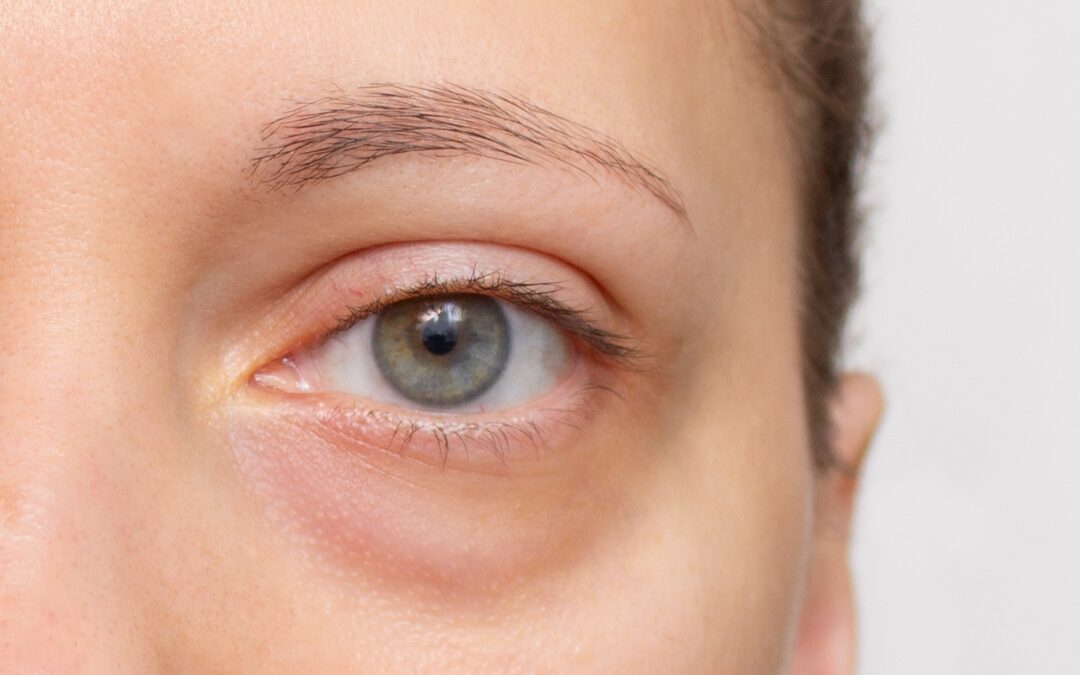
On October 21, 2026, Franklin, Tennessee-based Lynch Regenerative Medicine, LLC (LRM) announced that the U.S. Food and Drug Administration (FDA) has authorized its Investigational New Drug (IND) application to proceed with a Phase 2 clinical trial evaluating injectable recombinant human platelet-derived growth factor-BB (rhPDGF-BB). The trial will evaluate the safety, tolerability, and preliminary efficacy of injectable rhPDGF-BB for adults with infraorbital hollowing (IOH), commonly referred to as undereye hollows or tear trough volume loss.
For an industry that relies heavily on dermal fillers or off-label biostimulators to address tear trough structural defects, this clinical milestone signals a potential shift toward targeted, growth-factor-driven tissue regeneration in delicate facial zones.
Here is an overview of what this regulatory progress means for aesthetic practices, medical directors, and the future of regenerative aesthetics.
Understanding the Innovation: Why Tear Troughs Demand Biologic Precision
Infraorbital hollowing is caused by age-related skin thinning, fat pad repositioning, and structural tissue reabsorption under the eye. Treating this area remains one of the most technically challenging procedures in facial aesthetics due to thin dermal layers, hyper-vascularity, and the risk of adverse outcomes such as visible lumpiness, persistent malar edema, or the Tyndall effect.
Rather than physically filling the void using traditional hyaluronic acid (HA) gels or synthetic polymers, LRM’s investigational injectable uses recombinant human platelet-derived growth factor-BB (rhPDGF-BB).
- Mechanism of Action: PDGF-BB is a well-characterized growth factor that attracts fibroblasts and other repair cells and stimulates their proliferation. LRM describes the injectable as intended to produce “gradual, natural tissue regeneration” of the patient’s own tissue. Whether it does so in the infraorbital area is what the trial is designed to test.
- Established Molecule, New Use: rhPDGF-BB is the active ingredient in two FDA-approved products in LRM’s therapeutic portfolio: Regranex Gel®, a prescription biologic for lower extremity diabetic neuropathic ulcers, and GEM 21S®, a combination product for regenerating periodontal tissue. Those approvals do not extend to injection under the eye or to any aesthetic use.
- Clinical Trial Structure: The Phase 2 trial is a multi-center, randomized, dose-ranging study involving up to 75 participants. The primary endpoints are safety and improvement on the Canfield Infraorbital Hollowing Scale at 12 weeks. Secondary endpoints include patient-reported outcomes, quantitative image analysis, pharmacokinetics, and immunogenicity, and the trial will also assess the quality of the infraorbital tissue. The principal investigator is Dr. Steve Yoelin, a board-certified ophthalmologist. LRM expects enrollment to begin within weeks and plans to register the trial on ClinicalTrials.gov.
Shifting from Exogenous Fillers to Bioregenerative Pathways
Historically, aesthetic injectors correcting infraorbital volume deficits have relied on HA fillers, either products FDA-approved for this area or other fillers used off-label, or autologous solutions like platelet-rich plasma (PRP) and platelet-rich fibrin (PRF), which are prepared with FDA-cleared devices but are not FDA-approved to treat under-eye hollows. While autologous blood concentrates offer growth factor signaling, they vary significantly in concentration, purity, and cellular composition from patient to patient.
Advancing an FDA-regulated, standardized injectable growth factor into Phase 2 testing provides several strategic implications for medspas and aesthetic practitioners:
- Standardized Biological Potency: Unlike patient-derived blood products, recombinant rhPDGF-BB is manufactured as a single, defined molecule, which allows a uniform dose from patient to patient. Whether that consistency produces more predictable clinical results is one of the questions the trial will begin to answer.
- Tissue Regeneration vs. Volumization: Rather than placing a gel that physically fills the hollow, a growth-factor approach aims to regenerate the patient’s own tissue. That is the hypothesis under study, not an established outcome.
- Clinical Validation: An IND authorization means FDA has allowed the trial to proceed. It is not a finding that the product is safe or effective. Marketing approval would require successful later-phase trials and FDA review of a marketing application.
Key Operational Steps for Aesthetic Practices to Watch
As Lynch Regenerative Medicine advances injectable rhPDGF-BB through clinical trials, practice owners and medical directors should prepare for how regenerative biologics may reshape aesthetic protocols:
- Monitor Clinical Outcomes & Longevity Data: Pay close attention to upcoming trial data on safety, 12-week results on the Canfield Infraorbital Hollowing Scale, patient-reported outcomes, image analysis, and immunogenicity. A 12-week primary endpoint will not answer how long results last, so look for longer follow-up. The ClinicalTrials.gov listing, once posted, will be the most reliable source for design details and status.
- Evaluate Staff Training & Patient Selection: If approved, bioregenerative therapies will require careful patient screening. Understanding which patients possess adequate regenerative capability versus those requiring structural volume replacement will be critical for clinical protocols.
- Review Regulatory & Advertising Compliance: As news surrounding growth factor trials gains public attention, ensure your marketing and social media teams do not confuse investigational drug trials with currently approved products or with topical cosmetic products. Avoid making drug-level claims for cosmetic-grade skincare or off-label compounds. A cosmetic marketed with claims that it regenerates tissue or restores volume risks being treated by FDA as an unapproved drug.
- Do Not Offer Investigational Access: Injectable rhPDGF-BB is available only to participants enrolled in the trial. Practices should not advertise it, take deposits or build waitlists framed as access to it, or present topical PDGF products or PRP as equivalent to the investigational injectable.
The Bigger Picture
The medical aesthetics industry is undergoing a transition from immediate physical augmentation toward sustained biological renewal. FDA’s authorization of this IND is an encouraging step toward introducing a regenerative biologic option for delicate facial areas, though the product remains investigational and its safety and effectiveness have not been established. Practices that keep pace with scientific developments, clinical safety data, and regulatory guidelines will be best positioned to lead in this next phase of regenerative medicine.
If your medical practice or medspa is evaluating regenerative or growth-factor treatments, updating under-eye treatment protocols, or reviewing how you market PDGF, PRP, or other biologic products, Lengea Law can help you assess the legal and compliance considerations before implementation.
This article is intended for general informational purposes only and does not constitute legal advice. Because the rules governing investigational products, aesthetic treatments, and related marketing claims continue to evolve, practices should consult qualified healthcare regulatory counsel regarding their specific operations.